Exploring Grassroots Movements and Their Impact
Grassroots movements have played a significant role in shaping communities across the United States. These initiatives, often driven by local individuals and groups, are essential in addressing social issues and fostering change. This article delves into the nature of grassroots movements, their methodologies, and the impact they achieve.
Understanding Grassroots Movements
Grassroots movements are characterized by their bottom-up approach, where community members identify issues that affect them directly. According to research, these movements are often more effective in driving local engagement and fostering a sense of ownership among participants. Experts in social change suggest that grassroots efforts typically mobilize community resources and encourage collective action to address pressing concerns.

"Grassroots movements empower communities to take charge of their own narratives and foster sustainable change from the ground up."
The Role of Community Engagement
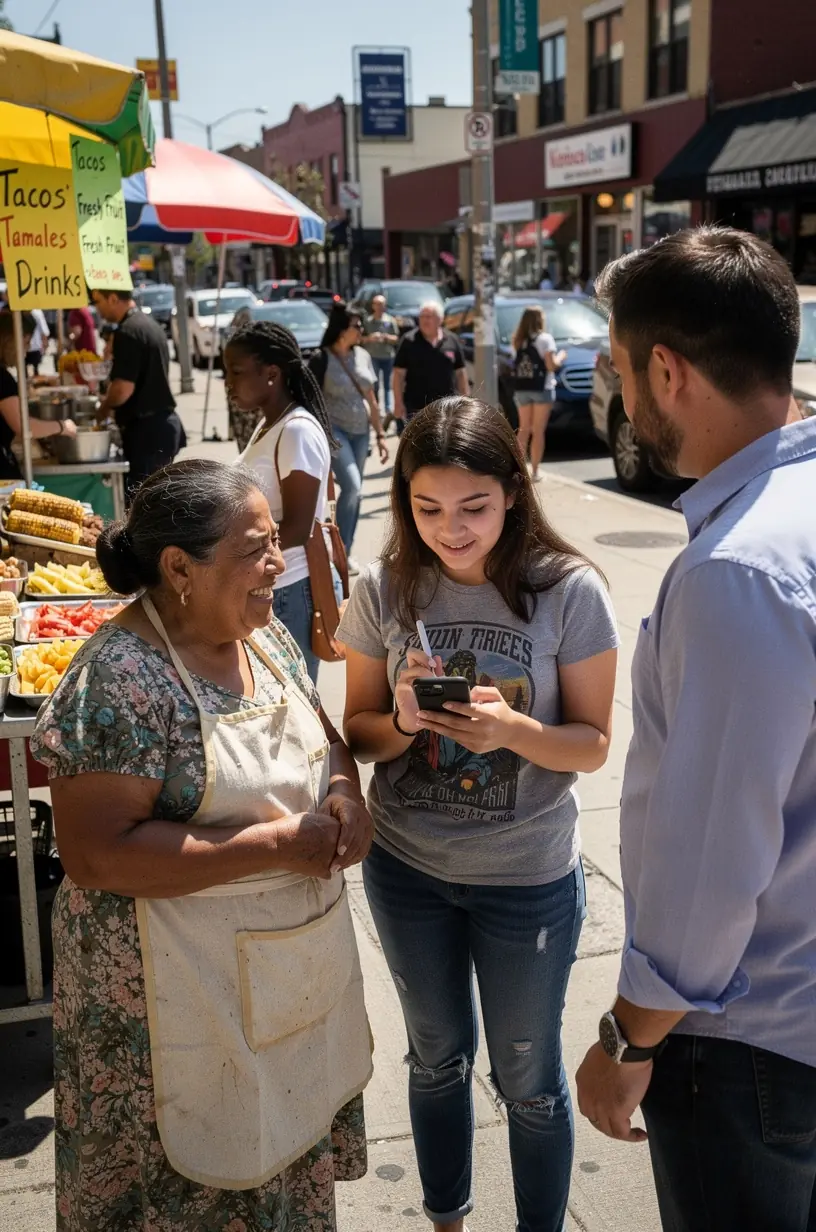
Community engagement is a cornerstone of grassroots movements. By actively involving local residents, these initiatives can tailor their approaches to meet specific needs. Studies indicate that when individuals participate in decision-making processes, they are more likely to support and commit to the outcomes. This involvement not only enhances the relevance of the initiatives but also boosts community cohesion.
Key Factors That Drive Success
- Local Leadership: Effective grassroots movements often have strong, passionate local leaders who can inspire action and cultivate trust within the community.
- Clear Communication: Transparency and open lines of communication help build trust and engagement. Research shows that communities tend to support initiatives that clearly articulate their goals and processes.
- Collaboration: Partnering with local organizations and stakeholders can amplify efforts. Many experts recommend building coalitions that leverage diverse strengths and resources.
Challenges Faced by Grassroots Movements
Despite their potential, grassroots movements often encounter various challenges. Limited funding, resistance from established institutions, and the need for sustained engagement can hinder progress. Typically, these movements require significant time and effort to see measurable impact. Many participants report a learning curve when mobilizing communities, highlighting the need for patience and persistence.
Strategies for Overcoming Obstacles
- Resource Mobilization: Identifying diverse funding sources can provide the necessary support for initiatives. Crowdfunding and local sponsorships are common practices.
- Building Alliances: Collaborating with other organizations can provide additional capacity and resources, making it easier to tackle complex issues.
- Ongoing Education: Training community members in advocacy and communication can enhance effectiveness and empower more individuals to take part in the movement.
Conclusion
Grassroots movements are vital in addressing local challenges and driving meaningful change. By harnessing community engagement and fostering collaboration, these initiatives can create a significant impact. However, the journey often requires dedication, time, and a willingness to navigate obstacles. Understanding the principles of grassroots movements can equip community members with the knowledge to effect positive change and strengthen their communities.
Learn More