Documenting the Evolution of Neighborhoods Over Time
Neighborhoods are living entities that evolve over time, reflecting the dynamics of social, economic, and environmental changes. Understanding this evolution can provide valuable insights into community identity and resilience.
The Historical Context of Neighborhoods
Neighborhoods are often shaped by their historical contexts. According to research by urban sociologists, the development of neighborhoods typically mirrors broader social trends, such as industrialization, migration, and urbanization. For instance, many cities in the United States saw rapid neighborhood development in the late 19th and early 20th centuries, driven by an influx of immigrants seeking jobs in factories.

"Neighborhoods reflect collective histories and shared experiences, shaping the identities of their residents." - Urban Sociologist
Key Factors Influencing Neighborhood Change
Several factors contribute to the transformation of neighborhoods over time:
- Economic Shifts: Changes in local economies can lead to gentrification or decline. For example, areas once thriving with industry may experience a downturn as factories close, leading to vacancies and a change in demographics.
- Social Movements: Advocacy and community organizing can drive significant changes in neighborhood policies, leading to improved public services and community resources.
- Urban Planning: Municipal policies regarding zoning and development can either facilitate growth or hinder it. Studies show that inclusive urban planning practices can lead to more sustainable neighborhood development.
Documenting Neighborhood Evolution
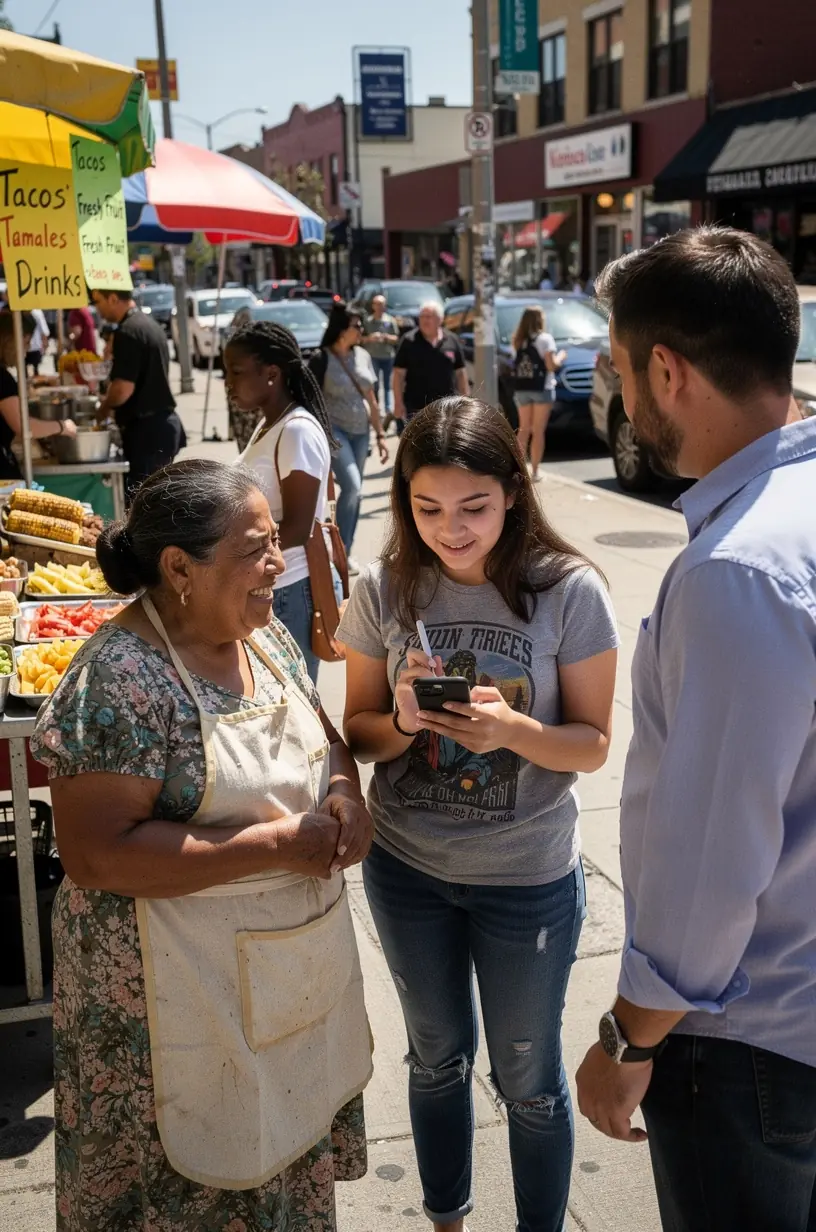
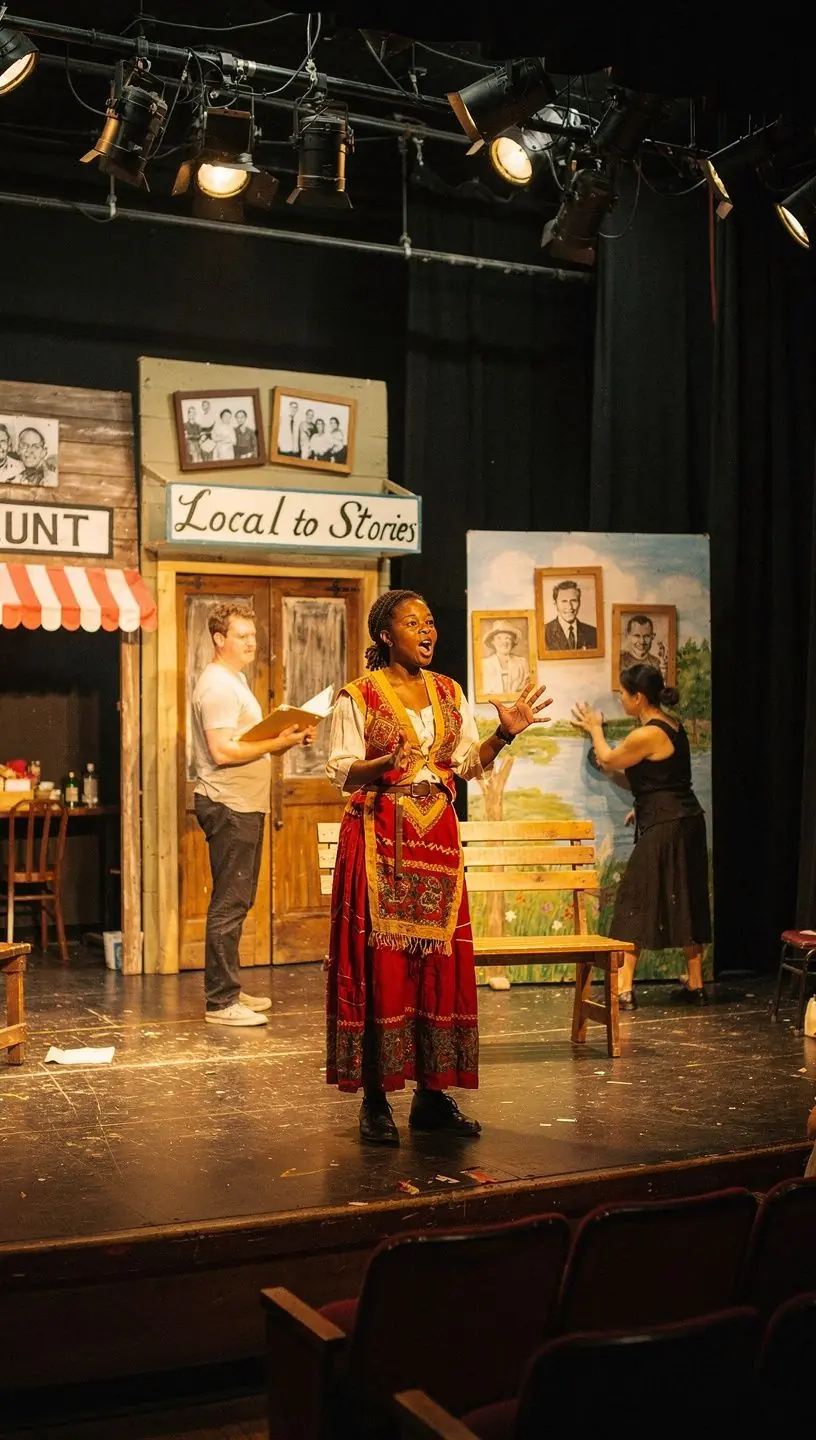
Documenting the evolution of neighborhoods involves a multifaceted approach. Community storytelling can play a vital role in this process. Engaging local residents in sharing their experiences can help capture the unique narratives that define a neighborhood. This practice encourages a sense of ownership and pride among community members.
Practical Steps for Community Documentation
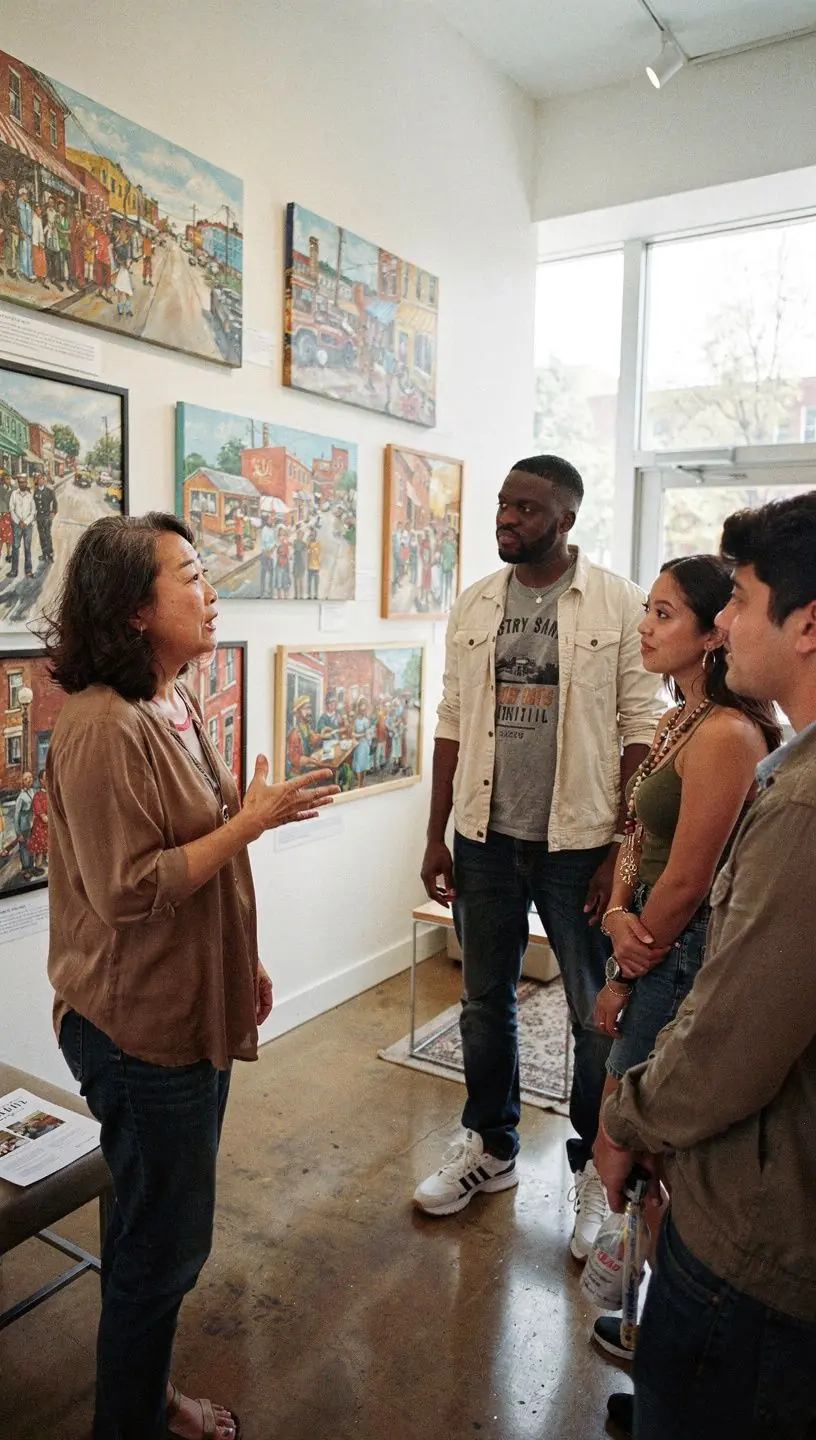
- Community Meetings: Organize gatherings where residents can share their stories and discuss changes they have witnessed. This can foster connections and encourage participation.
- Story Collection: Create a platform for residents to submit their personal narratives, photographs, and documents that highlight the neighborhood's history.
- Collaboration with Local Historians: Partnering with historians or local universities can enhance the depth of the documentation, providing a richer context and expertise.
Challenges in Documenting Neighborhood Changes
While documenting neighborhood evolution can provide valuable insights, it is essential to acknowledge some challenges:
- Time Commitment: Collecting and compiling stories typically requires significant time and effort from community members and organizers.
- Representation: Ensuring that all voices are heard can be challenging, especially in diverse communities where some groups may be marginalized.
- Potential Resistance: Some residents may be hesitant to share their stories due to privacy concerns or fear of misrepresentation.
Conclusion
Understanding the evolution of neighborhoods is crucial for fostering community pride and resilience. By documenting these changes through storytelling, residents can contribute to a shared narrative that honors their collective history while addressing current challenges. This approach not only enriches community ties but also informs future development, ensuring that neighborhoods continue to thrive.