Exploring Local Folklore and Traditions
Folklore and traditions are crucial elements of community identity, often reflecting local history, values, and challenges. This article delves into the importance of preserving these narratives and the lessons they offer.
The Importance of Folklore
Folklore serves as a cultural repository, capturing the essence of a community’s identity. According to cultural anthropologists, storytelling is a method through which communities document their heritage and experiences. These narratives often address common challenges and solutions that have emerged over time.
"Folklore is not just a collection of stories; it is a reflection of our values and communal experiences." - Cultural Anthropologist
Local Traditions and Their Challenges
Many local traditions arose as responses to specific community challenges. For instance, harvest festivals often celebrate agricultural success while also serving as communal gatherings that reinforce social bonds. Experts suggest that these traditions can foster resilience and unity during difficult times.
Examples of Local Folklore
- Ghost Stories: Often reflect community history and serve as cautionary tales.
- Seasonal Festivals: Mark important agricultural cycles and promote community engagement.
- Local Legends: Typically highlight regional quirks and moral lessons, contributing to a community's unique identity.
Preserving Folklore and Traditions
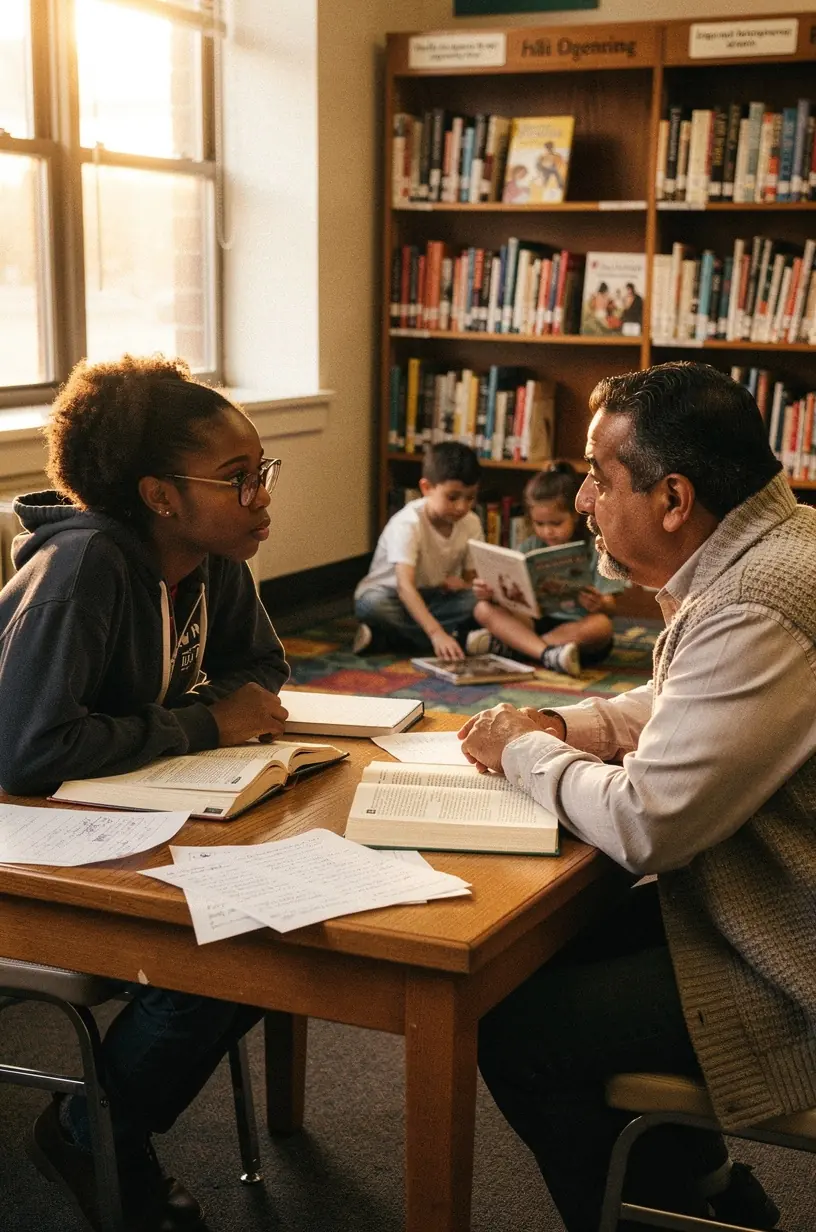
Preservation of local folklore is essential for maintaining cultural diversity. Community leaders often emphasize the need for intergenerational sharing of these narratives. Research indicates that this practice can enhance social cohesion and cultural pride. However, it requires commitment and effort from community members to actively document and share these stories.
How to Engage with Local Folklore
- Participate in local storytelling events to connect with community members.
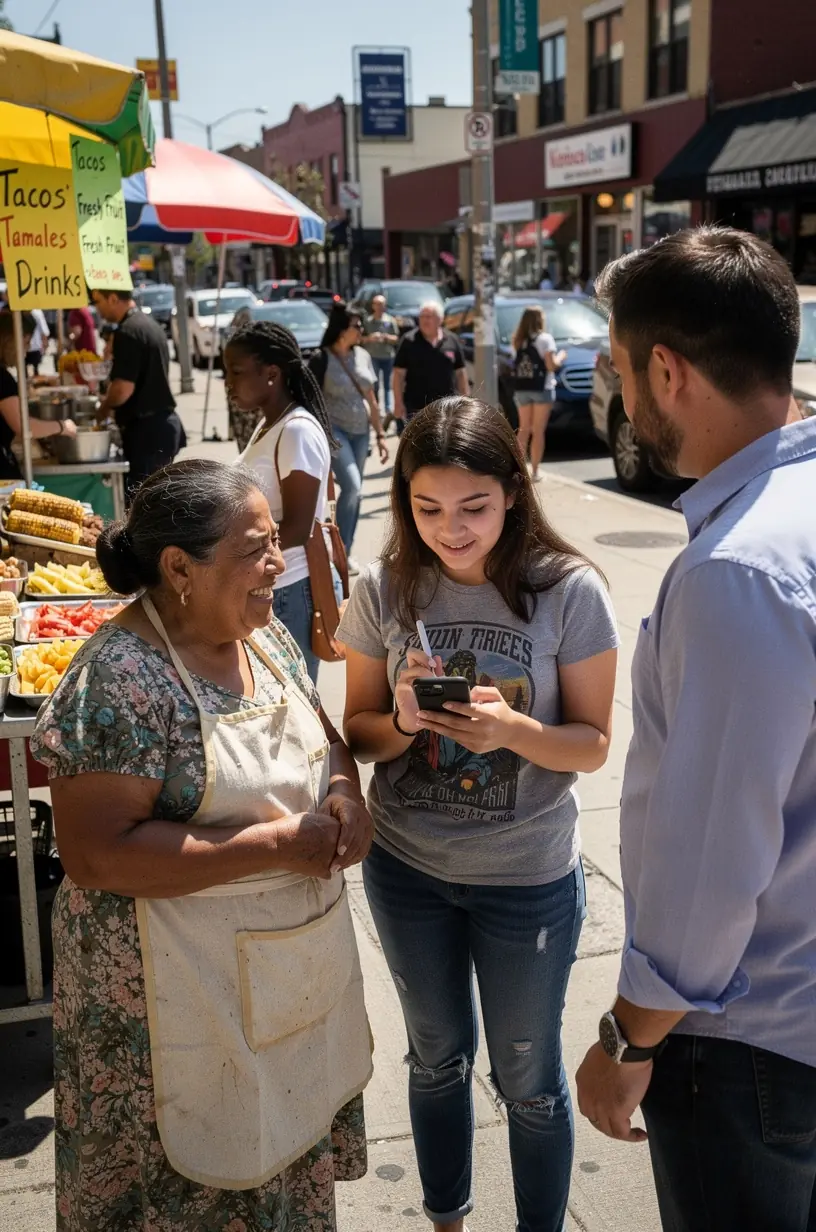
- Document stories through interviews or recordings to preserve them for future generations.
- Encourage younger generations to share their interpretations of local traditions.
The Future of Folklore
As communities evolve, so too do their stories. The integration of modern experiences into traditional narratives can lead to a dynamic cultural landscape. Experts recommend that communities remain open to blending the old with the new, ensuring that folklore continues to be relevant and resonant.
Conclusion
Exploring and preserving local folklore and traditions is vital to understanding and supporting community identities. By engaging with these narratives, individuals can contribute to a shared legacy that honors the past while addressing contemporary challenges. Embracing these stories not only enriches personal experiences but also strengthens community bonds.