How Public Art Transforms Community Spaces
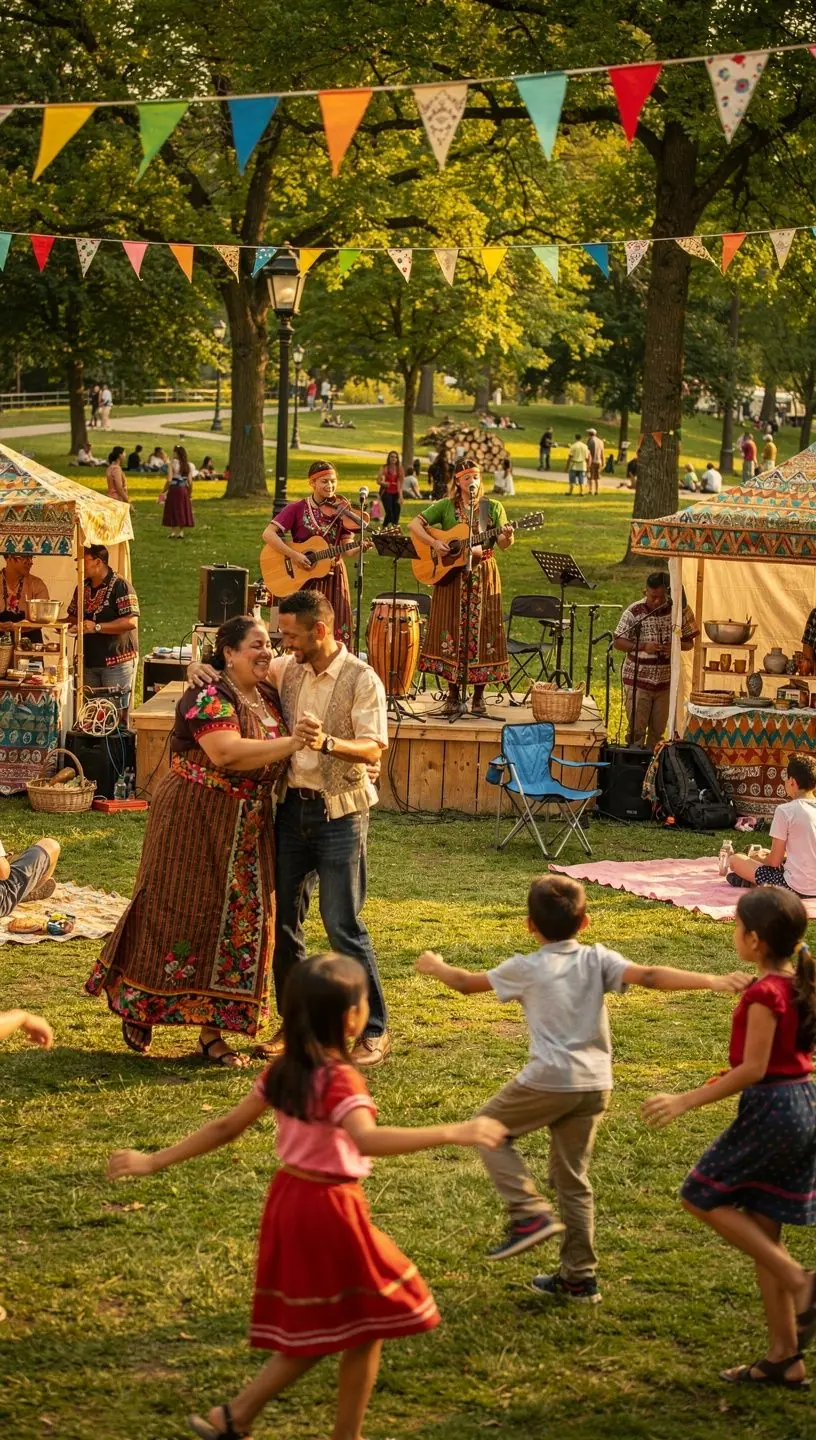
Public art plays a crucial role in shaping the character of community spaces. This article explores the impact of public art on neighborhoods across the United States, presenting insights backed by research and expert opinions.
The Role of Public Art
Public art encompasses a diverse range of creative expressions including murals, sculptures, and installations found in public spaces. According to research, public art can enhance community identity, foster social connections, and provide a platform for cultural dialogue.
"Public art is not just about beautification; it's a tool for social change and community engagement." - Urban Art Expert
Benefits of Public Art
- Community Engagement: Public art initiatives often involve local residents in the creative process, which can boost community pride and ownership. Studies indicate that community-driven projects tend to have a higher success rate in fostering lasting community bonds.
- Economic Revitalization: Areas with vibrant public art often see increased foot traffic and tourism. Research suggests that neighborhoods with public art installations can experience a rise in local business revenues, sometimes up to 30%.
- Social Cohesion: Public art can bring together diverse groups, providing a shared space for dialogue and interaction. Many experts recommend incorporating community input in public art projects to reflect the values and narratives of the local population.
Challenges in Implementing Public Art
While the benefits of public art are significant, there are challenges that communities may face. In many cases, funding is a primary concern, as public art projects often rely on grants and donations. Furthermore, the process of selecting artists and themes can sometimes lead to disagreements among community members.
Addressing Concerns
To overcome these hurdles, it’s crucial to establish a clear framework for community involvement and funding. Engaging stakeholders early in the process can lead to more inclusive outcomes. Experts suggest that local governments consider partnerships with schools and nonprofits to develop sustainable funding strategies.
Successful Examples Across the US
Several cities have successfully integrated public art into their urban landscapes:
- Philadelphia: Known for its vibrant mural arts program, Philadelphia has transformed blank walls into canvases that celebrate local history and culture.
- Detroit: The Detroit Riverwalk features numerous sculptures and installations that reflect the city’s rich artistic heritage and encourage community involvement.
- Seattle: The city’s public art program engages local artists to create site-specific works that resonate with the community, enhancing public spaces.
Conclusion
Public art holds the potential to transform community spaces in meaningful ways. By engaging residents, fostering economic growth, and promoting social cohesion, public art serves as a foundation for vibrant, connected communities. While challenges exist, a collaborative approach can pave the way for successful public art initiatives that reflect the diversity and creativity of local populations.