Analyzing Community Responses to Natural Disasters
Natural disasters can profoundly impact communities, often exposing vulnerabilities while also revealing resilience. Understanding how communities respond to these challenges can provide valuable insights into effective recovery strategies.
Understanding Community Dynamics in Crisis
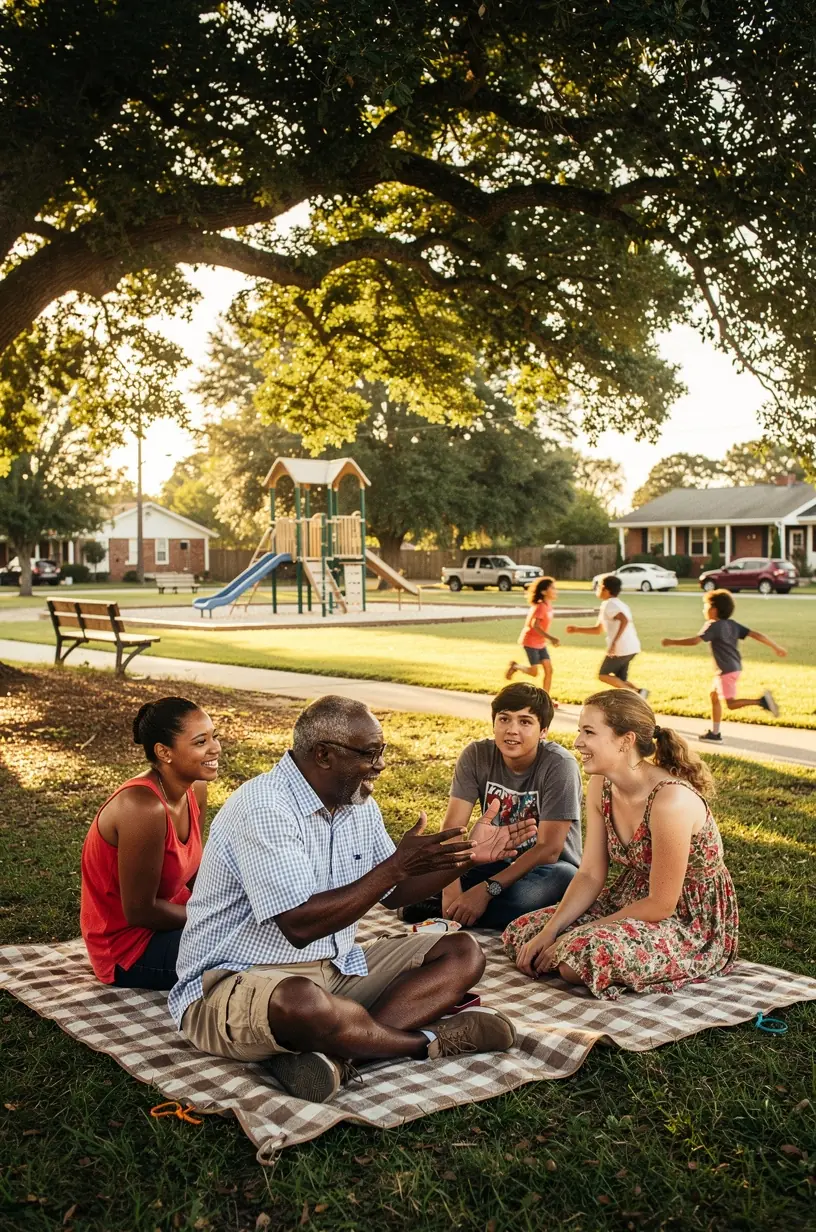
When natural disasters strike, communities typically experience a range of reactions. According to research from the American Psychological Association, psychological resilience plays a crucial role in how individuals and groups respond. Communities that foster strong social ties often exhibit more effective recovery and adaptation strategies.
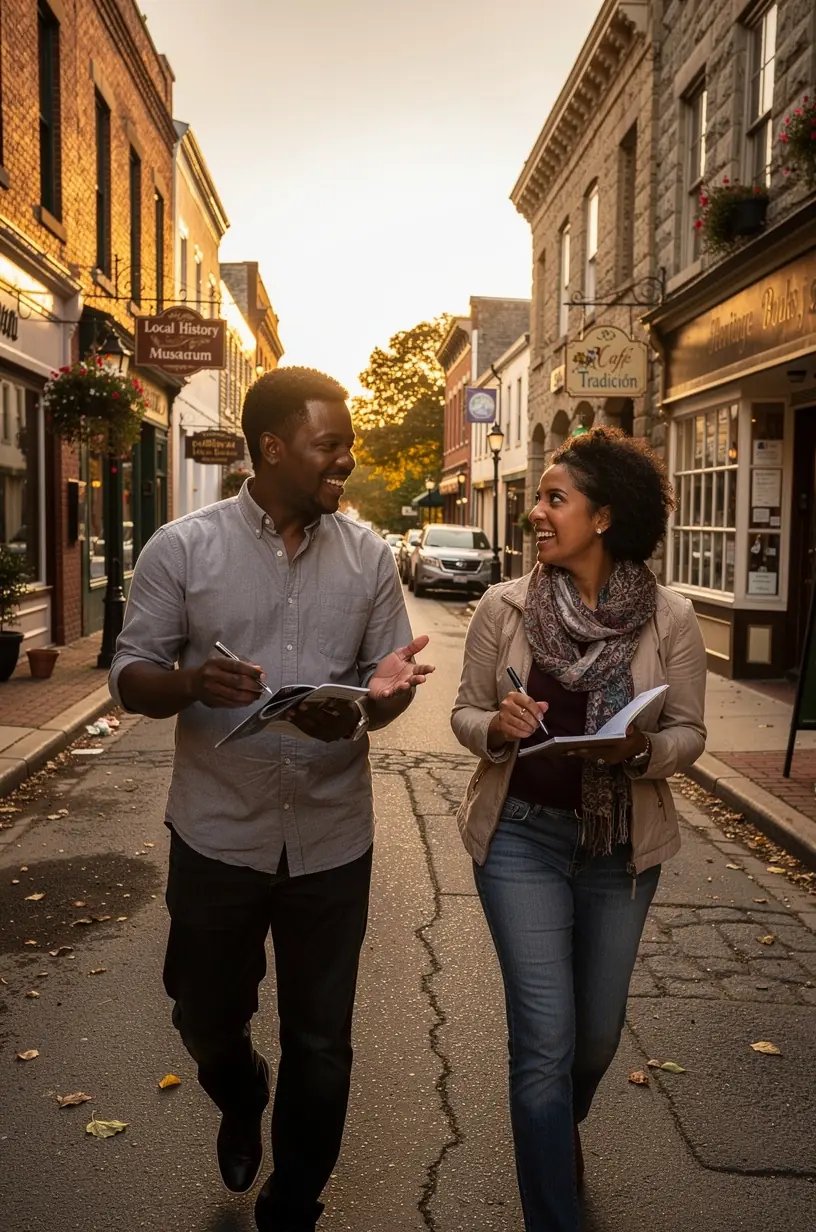
"Community resilience is not just about recovering; it's about learning and adapting for future challenges." - Dr. Sarah Lang, Community Resilience Expert
Case Studies of Effective Responses
Several communities across the United States have demonstrated effective responses to natural disasters, illustrating the importance of preparation and proactive measures:
- New Orleans, Louisiana: Following Hurricane Katrina, the city implemented comprehensive recovery plans that emphasized community involvement and resource sharing. Studies show that this participatory approach improved trust and reduced long-term trauma.
- San Francisco, California: In the aftermath of the 1989 Loma Prieta earthquake, local organizations focused on building neighborhood networks. This approach not only facilitated immediate response efforts but also strengthened community bonds, which are essential for future resilience.
- Joplin, Missouri: After a devastating tornado in 2011, Joplin's recovery efforts highlighted the importance of local leadership. Experts recommend that effective crisis management includes empowering local leaders to mobilize resources and coordinate community support.
Lessons Learned and Best Practices
Research indicates that communities can improve their disaster response by adopting several best practices:
- Establishing Communication Networks: Effective communication before, during, and after a disaster is critical. Communities that invest in robust communication systems typically fare better in crisis situations.
- Creating Emergency Plans: Having a clear, actionable emergency response plan is essential. Communities are encouraged to regularly review and practice these plans, as familiarization can significantly improve response times.
- Fostering Community Engagement: Involving community members in disaster preparedness initiatives can lead to greater investment in recovery efforts. Engaged citizens are more likely to volunteer and support local recovery initiatives.
Conclusion
Community responses to natural disasters reveal a complex interplay of preparation, social dynamics, and resource management. By analyzing these responses, communities can identify strategies that not only help them recover but also enhance their resilience against future disasters. As demonstrated through various case studies, fostering strong community ties and proactive planning can significantly improve outcomes in times of crisis.
Learn More