Understanding the Significance of Cultural Festivals
Cultural festivals play a vital role in shaping community identity, fostering social cohesion, and celebrating heritage. This article explores their importance, how they impact local communities, and the challenges and solutions associated with organizing such events.
The Role of Cultural Festivals in Communities
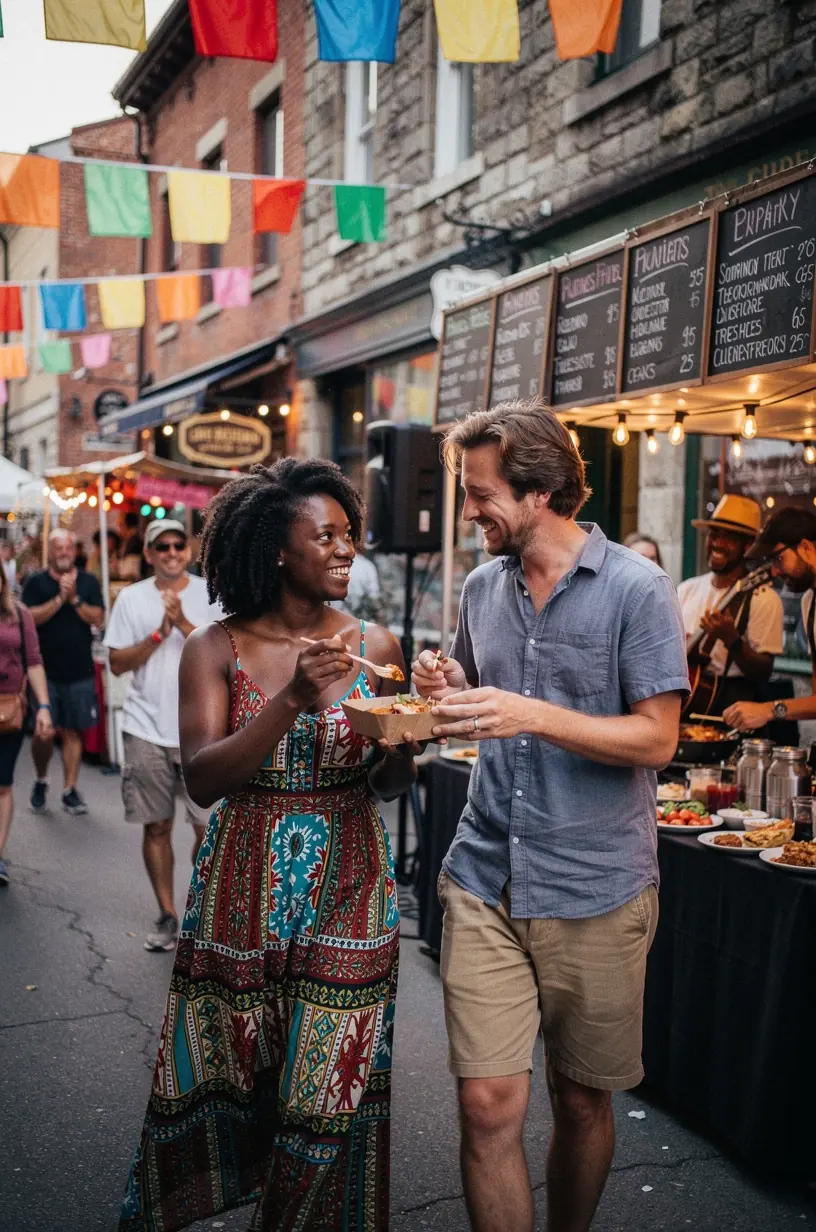
Cultural festivals are typically annual events that showcase local traditions, arts, and crafts, as well as food and music. According to the National Endowment for the Arts, these festivals can significantly contribute to community engagement and economic development. They often serve as a platform for local artists and performers, enhancing visibility and recognition within their communities.

"Cultural festivals not only celebrate heritage but also build bridges among diverse community members, fostering an inclusive atmosphere."
Economic Impact
Research indicates that cultural festivals can boost local economies. A report by the American Planning Association suggests that such events typically increase tourism, which can lead to higher revenues for local businesses. This influx of visitors can provide a much-needed economic boost, particularly in smaller towns where resources may be limited.
- Local restaurants often see increased patronage during festivals, providing a significant financial lift.
- Merchants can benefit from selling crafts and goods, thus promoting local craftsmanship.
- Hotels and accommodations may experience a surge in bookings, which contributes to the local economy.
Community Building and Social Cohesion
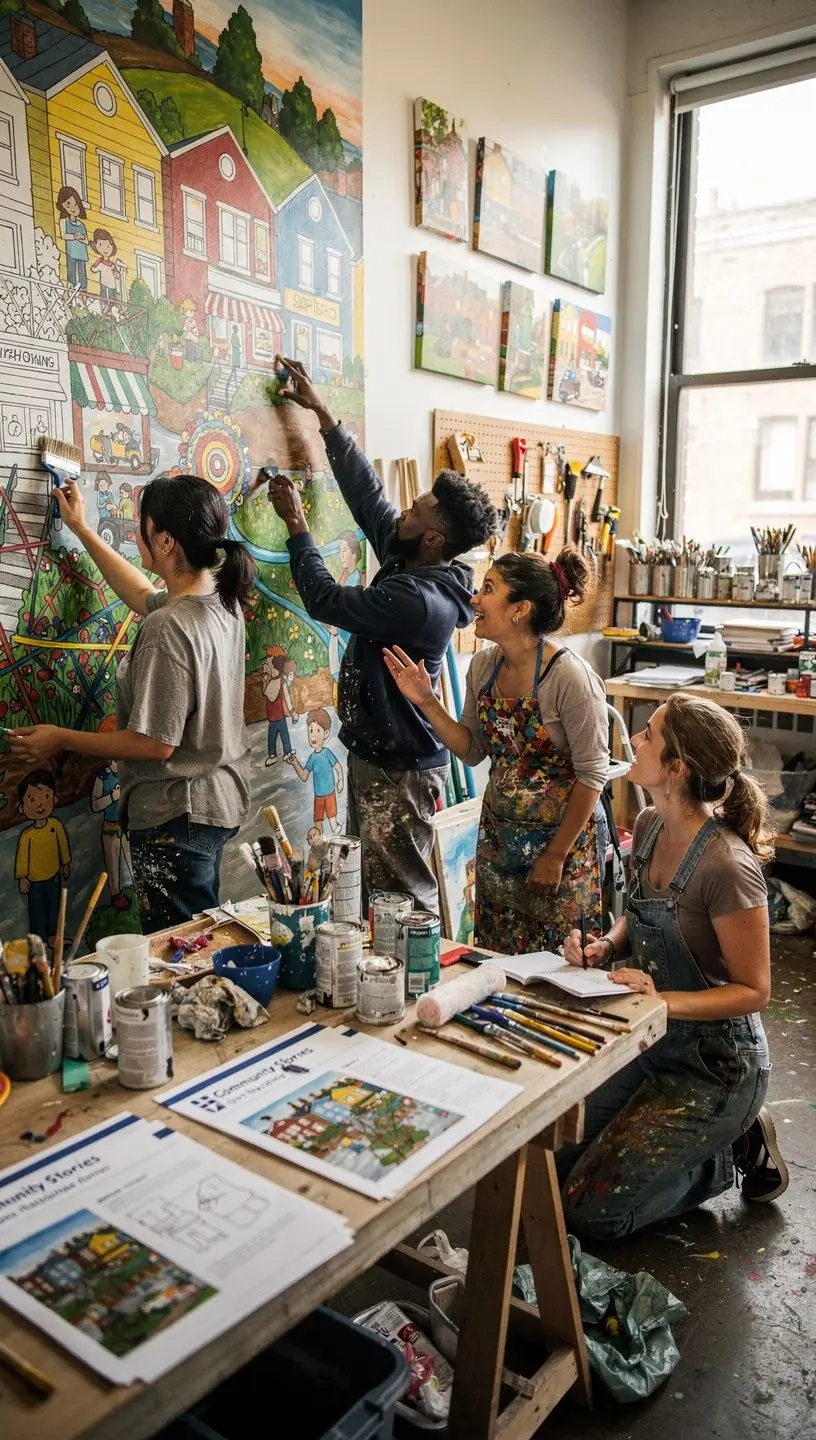
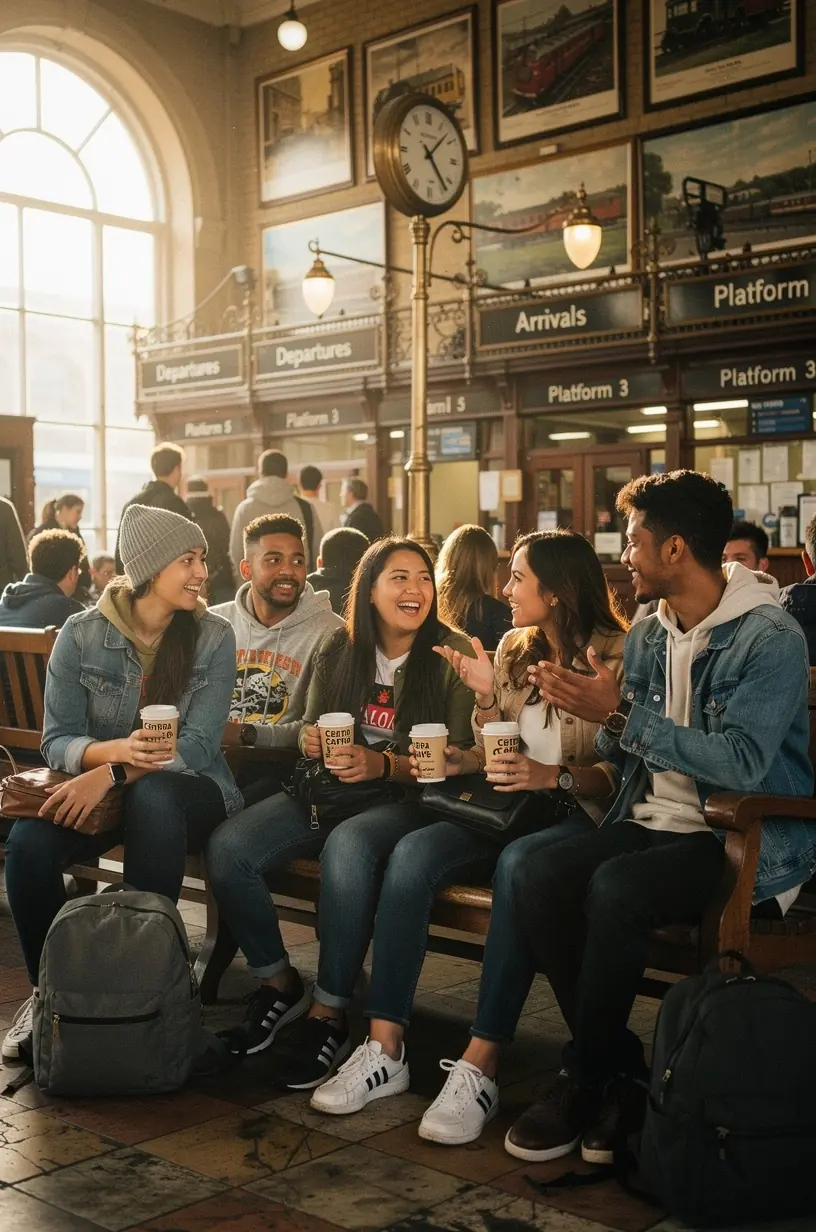
Cultural festivals also play a pivotal role in strengthening community ties. These events create opportunities for individuals from various backgrounds to come together and share their experiences. According to community development experts, engaging in cultural celebrations can improve social capital, which is essential for community resilience and collective well-being.
"When community members participate in festivals, they often report feeling a stronger sense of belonging and connection to their neighbors."
Challenges in Organizing Cultural Festivals
While there are numerous benefits associated with cultural festivals, organizing them is not without challenges. Issues such as funding, logistics, and community participation can complicate the planning process. Typically, festivals require substantial financial resources, and securing these can be a daunting task for organizers, especially in economically disadvantaged areas.
Common Challenges Include:
- Difficulty in obtaining sponsorship or grants to cover expenses.
- Logistical issues related to permits, safety regulations, and vendor management.
- Ensuring diverse community representation and participation, which may require targeted outreach efforts.
Strategies for Success
To overcome these challenges, many communities adopt collaborative approaches. Engaging local stakeholders, including businesses, schools, and civic organizations, can forge partnerships that enhance resource sharing and participation. Moreover, planning ahead—often several months in advance—can help mitigate last-minute hurdles.
Effective Strategies Include:
- Establishing a planning committee that includes diverse community members.
- Utilizing social media for outreach and promotion to increase awareness.
- Offering incentives for local businesses to participate and support the festival.
Conclusion
Cultural festivals are essential to nurturing community spirit and preserving local traditions. They provide economic benefits and opportunities for social interaction and inclusivity. By recognizing the significance of these events and addressing the challenges associated with them, communities can create memorable experiences that unite and enrich the lives of all involved.
Learn More