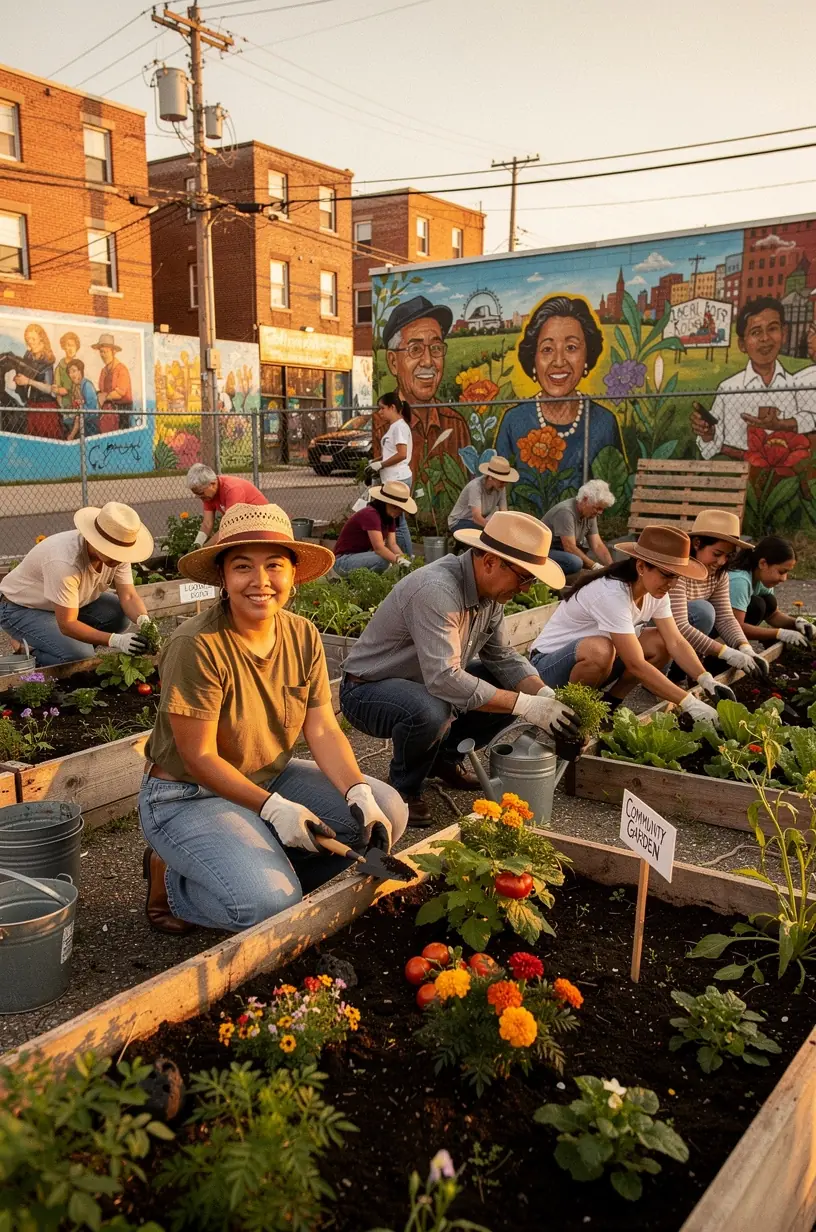
Examining the Effects of Gentrification on Communities
Gentrification is a complex phenomenon that affects urban neighborhoods across the United States. This article aims to explore the various impacts of gentrification on local communities, including both the challenges and potential solutions that arise as neighborhoods undergo transformation.
Understanding Gentrification
Gentrification typically refers to the process whereby urban neighborhoods experience an influx of more affluent residents, often resulting in rising property values and displacement of long-time residents. According to research, gentrification can lead to both revitalization of neighborhoods and significant social challenges, particularly for low-income families.
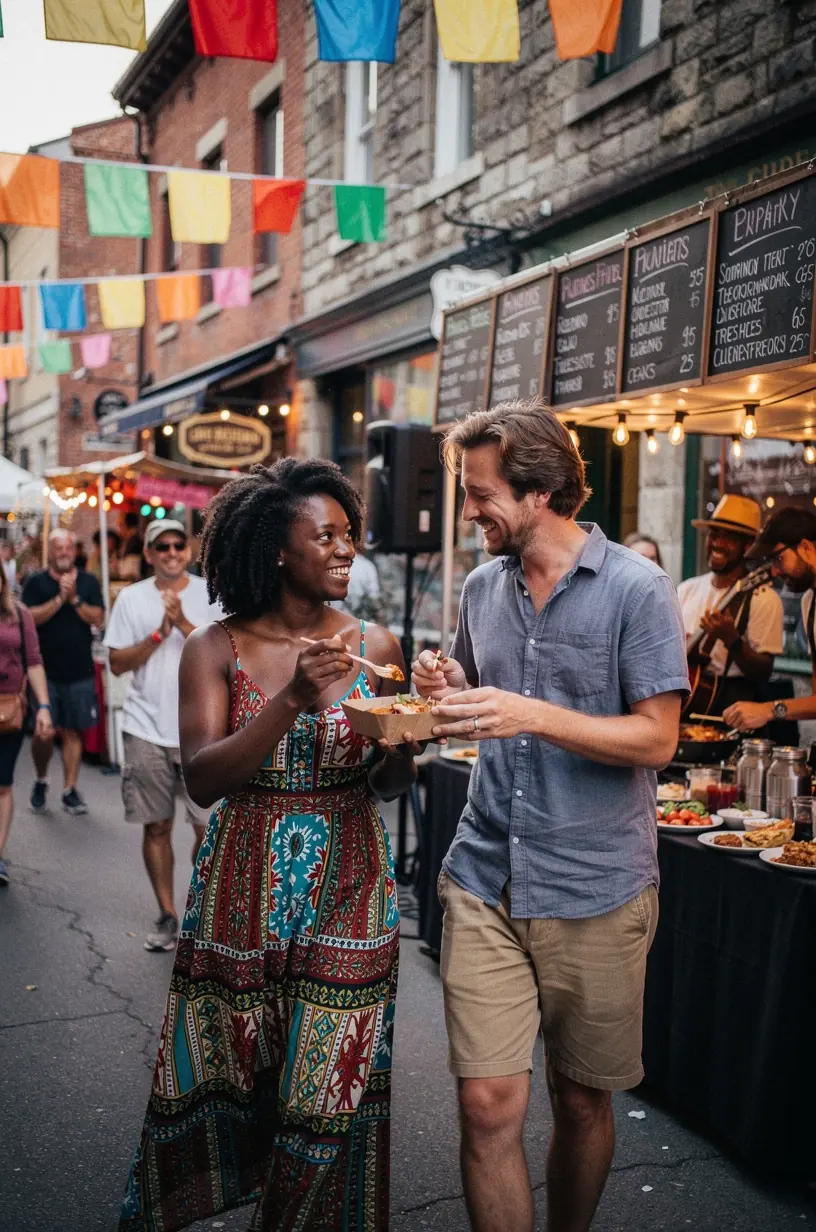
"Gentrification is not just about rising rents; it reshapes the very fabric of communities." - Urban Studies Expert
The Impact on Local Residents
As neighborhoods gentrify, long-standing residents may face various challenges, including:
- Displacement: Many residents find themselves priced out of their homes as rent increases, leading to a loss of community ties and support networks.
- Changes in Community Identity: New businesses and developments may alter the cultural landscape, often marginalizing the traditions and contributions of existing residents.
- Access to Resources: While gentrification can bring new amenities, it may also divert resources away from long-standing community needs, exacerbating existing inequities.
Potential Solutions to Mitigate Negative Effects
Addressing the challenges posed by gentrification requires a multifaceted approach. Experts recommend several strategies:
- Affordable Housing Initiatives: Policies that promote the construction and preservation of affordable housing can help maintain diversity within neighborhoods.
- Community Land Trusts: This model involves local residents owning the land collectively, which can prevent displacement and keep housing affordable.
- Inclusive Development Policies: Engaging current residents in planning processes can ensure that new developments meet the needs of the entire community.
Conclusion
Gentrification poses significant challenges for urban communities, but understanding its effects can lead to informed discussions about potential solutions. By prioritizing affordable housing, community ownership, and inclusive policies, cities can work towards a future that balances revitalization with the preservation of community identity and well-being. The conversation surrounding gentrification is ongoing, and involving all stakeholders is crucial for sustainable urban development.
Learn More