The Process of Creating a Community Cookbook
Creating a community cookbook is not just about compiling recipes; it is an enriching journey that brings people together, celebrates local culture, and addresses shared challenges. This article explores the steps involved in this creative process and highlights the importance of community engagement.
Understanding the Purpose
The foundation of a community cookbook lies in its purpose. Often, it serves as a means to document local culinary traditions, share family recipes, or even fundraise for a communal cause. According to community engagement experts, involving residents from the outset fosters a sense of ownership and pride. This approach can result in a cookbook that truly reflects the community's identity.

"A community cookbook can serve as a powerful tool for preserving cultural heritage and fostering connections among residents." - Community Engagement Expert
Key Steps in the Creation Process
Creating a community cookbook typically involves several steps:
- Gathering Input: Start by engaging community members through meetings or surveys. This input is crucial for understanding what recipes resonate most with locals and encourages participation.
- Organizing Recipes: Once recipes are collected, they should be categorized, such as appetizers, main dishes, and desserts. This organization can enhance usability and appeal.
- Editing and Testing: It is advisable to test recipes to ensure accuracy and reliability. Engaging volunteers with cooking experience can boost quality and authenticity.
- Design and Printing: A visually appealing layout that reflects community aesthetics can attract readers. Many communities opt for local printers that support local artisans.
- Distribution: Consider various channels for distribution, such as community events or local markets, to reach a wider audience. This can also create opportunities for further community interaction.
Challenges to Consider
While the process can be rewarding, it does come with challenges. Time commitments can be significant, as gathering recipes and organizing them can take several weeks or months. Furthermore, there is often a learning curve in editorial processes, especially if volunteers are not familiar with publishing standards.
Engaging the Community
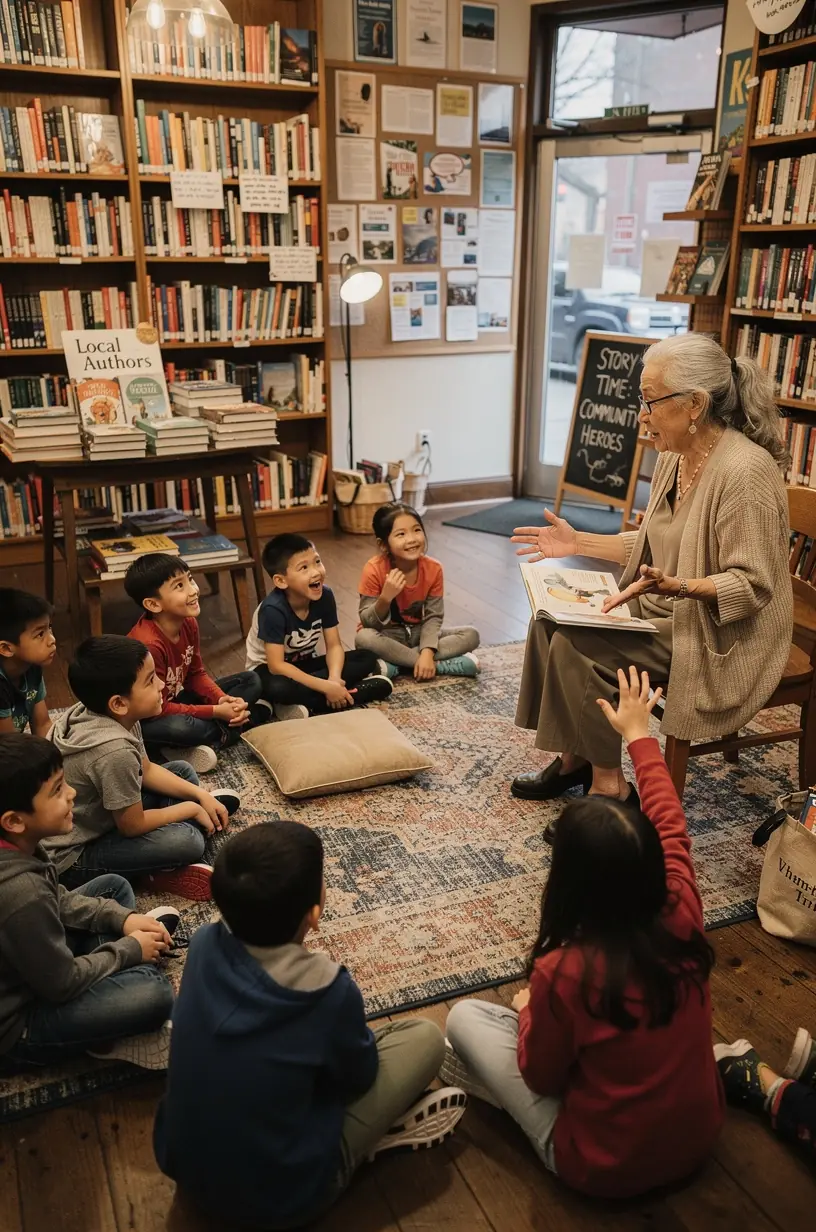
Community engagement is pivotal throughout this project. Regular updates and invitations for feedback can strengthen community ties. To encourage participation, consider hosting informal cooking sessions where individuals can share stories behind their recipes. This not only enriches the cookbook's narrative but also builds relationships among participants.
Conclusion
Creating a community cookbook is an effective way to celebrate local culture while addressing shared experiences and challenges. While the process requires dedicated time and effort, the resulting product can foster connections and preserve culinary traditions. By prioritizing community involvement and approaching the project methodically, you can create a resource that serves both a practical and a social purpose.