Building Resilience Through Local Story Sharing
In communities across the United States, sharing personal stories can be a powerful mechanism for resilience and empowerment. By documenting local experiences—highlighting challenges faced and solutions discovered—individuals can foster a sense of belonging and strength. This article explores the significance of community storytelling and offers insights on how it can contribute to building resilience.
Understanding the Impact of Storytelling
Storytelling has long been recognized as a fundamental human practice. According to research from the National Storytelling Network, sharing personal narratives can create connections among community members, reducing feelings of isolation. Such connections are critical in fostering resilience, particularly during challenging times.
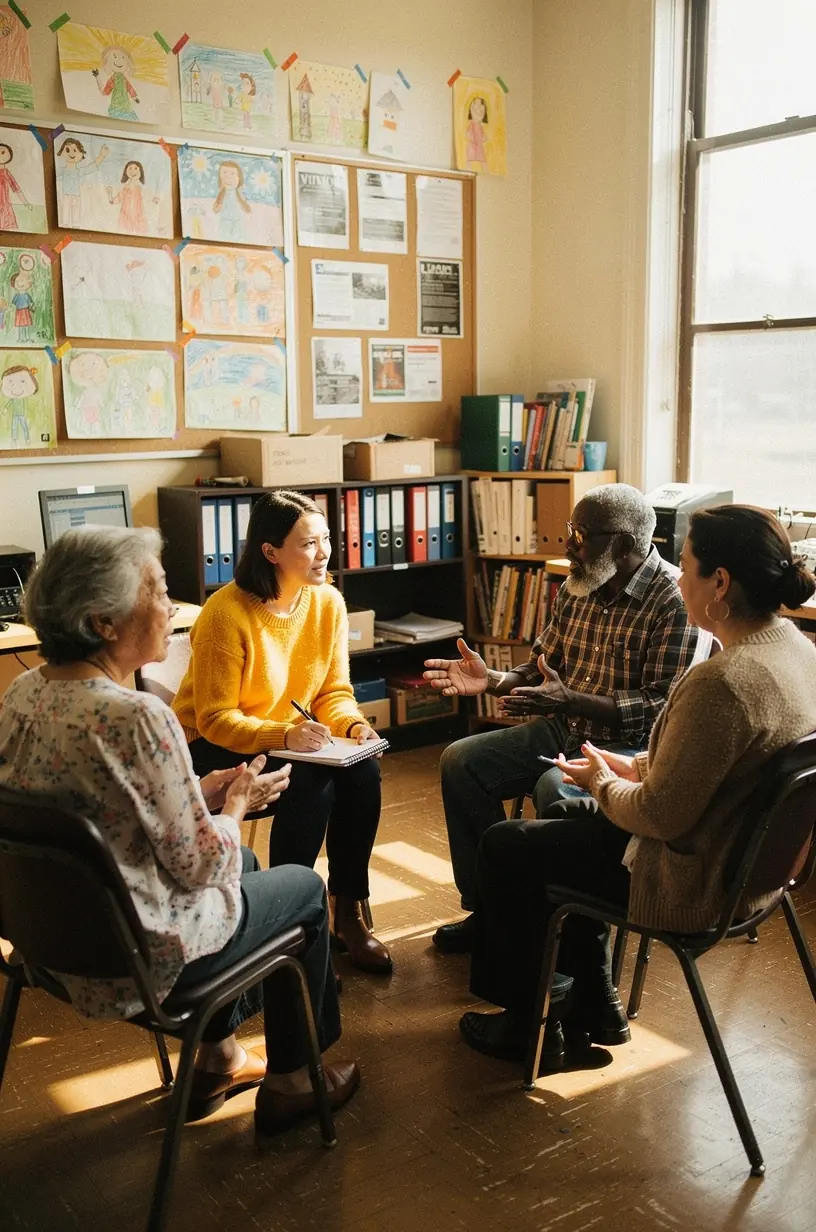
"Storytelling is a way to connect with others, share experiences, and build a supportive community." – National Storytelling Network
How Story Sharing Fosters Resilience
There are several reasons why local storytelling can enhance resilience within a community:
- Encourages Empathy: When individuals share their struggles, it fosters understanding and empathy among listeners. This can lead to a supportive network that helps members navigate challenges together.
- Provides Solutions: Many users report that hearing about how others overcame obstacles offers practical insights that they might not have considered. This exchange of ideas can initiate problem-solving within the community.
- Reinforces Identity: Storytelling helps communities to define their identity and values, creating a sense of belonging that is essential for resilience.
Practical Steps for Story Sharing
While the benefits of storytelling are clear, implementing a community storytelling initiative involves thoughtful planning. Here are some practical steps to consider:
- Identify Key Themes: Gather insights on the specific challenges and experiences prevalent in your community. This helps to focus the storytelling around relevant topics that resonate with individuals.
- Create Safe Spaces: Establish environments where participants feel comfortable sharing their stories. This could be through community meetups, online platforms, or local events.
- Encourage Active Listening: Train community members on the importance of listening actively to others' stories. This practice builds stronger connections and a deeper understanding of shared experiences.
Conclusion
Building resilience through local story sharing is a gradual process that requires commitment from community members. By creating spaces for storytelling, individuals can connect, learn from each other, and find collective strength. While the journey may take time and effort, the positive impacts on community bonds and overall well-being are often profound. Remember, each story shared is a step toward fostering a resilient, supportive community.